Are There New Zoning Rules for Detached Living Units in Bainbridge?
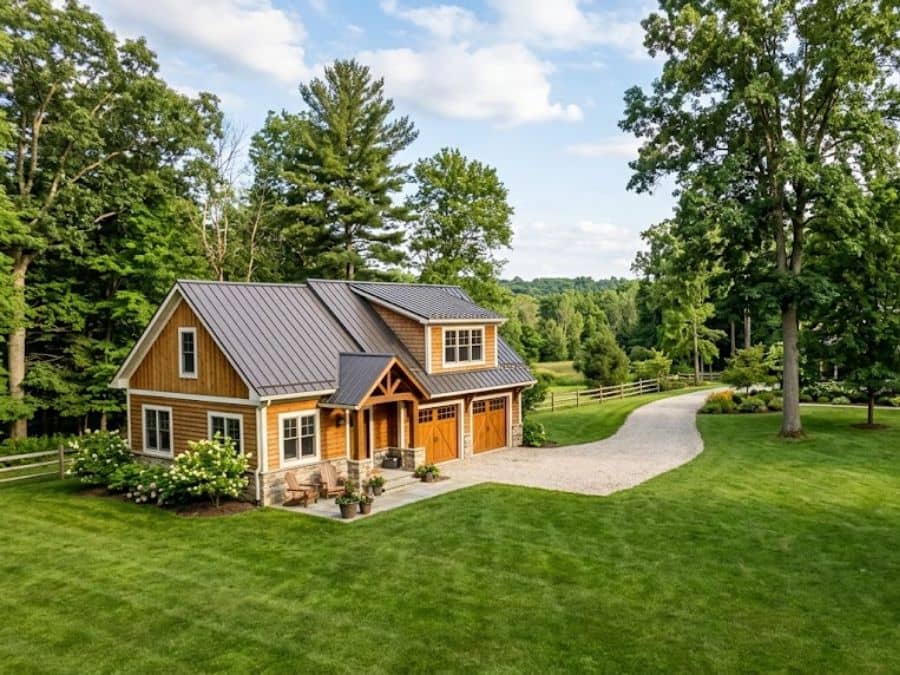
For homeowners in Bainbridge Township, the idea of adding a detached living unit—often referred to as a guest house, in-law suite, or accessory dwelling unit—has become increasingly relevant. Whether the goal is to accommodate family, create rental potential, or simply add flexibility to a property, these types of structures are drawing more attention across Northeast Ohio.
However, in Bainbridge, the answer to whether there are “new rules” in 2026 is more nuanced than many expect. The township has updated its zoning resolution, but it has not broadly opened the door to detached living units in the way some cities have. Instead, these structures remain tightly controlled under existing zoning and land use policies.
The Big Picture: No Automatic Approval for Detached Units
Unlike some municipalities that have introduced clear ADU ordinances, Bainbridge Township continues to operate under a traditional zoning framework centered on low-density residential development. This structure prioritizes larger lots, limited housing density, and a more controlled approach to land use.
As a result, detached living units are not automatically permitted as part of standard residential use. Homeowners cannot simply build a second standalone dwelling on their property without going through additional layers of review. The township’s approach is intentional, designed to preserve its semi-rural character rather than expand housing density.
How Detached Living Units Are Treated in Bainbridge
In most cases, a detached living unit falls into a category that goes beyond a typical accessory structure. While Bainbridge allows accessory buildings such as garages, barns, or storage structures, the introduction of a separate living space changes how the property is classified.
A detached unit intended for full-time occupancy may be viewed as:
- A secondary dwelling
- A conditional use
- A use requiring a variance
This distinction matters because accessory buildings are generally permitted, but accessory living units are not automatically allowed. Once a structure includes full-time living capabilities, it introduces zoning considerations related to density, utilities, and land use compatibility.
Because of this, most detached living unit proposals require review by the township’s zoning authorities and may involve additional approvals beyond a standard building permit.
The 2026 Update: What Actually Changed
The 2026 zoning update in Bainbridge reinforces the township’s long-standing priorities rather than introducing major changes to housing flexibility. The updated resolution continues to emphasize preserving low-density residential character, protecting open space, and carefully managing how land is used and developed.
For homeowners, this means there is no sweeping rule change that suddenly allows detached living units across the township. Instead, the update clarifies and strengthens the framework already in place. The township remains consistent in its approach, favoring stability and predictability over rapid shifts in housing policy.
Why Bainbridge Is Different From Other Areas
Across Ohio, some cities have begun to explore more flexible housing options, including accessory dwelling units. However, zoning authority remains local, and there is no statewide requirement for townships to adopt these policies.
Bainbridge has chosen a more conservative path. Its zoning philosophy reflects its identity as a lower-density community, where space, environmental considerations, and long-term planning take priority over expanding housing types. This is why policies that may exist in more urban or suburban cities do not automatically apply here.
What Homeowners Can Actually Do
While detached living units are not broadly permitted, they are not entirely off the table. The process simply requires a more structured and case-specific approach.
Homeowners considering a detached living unit should begin by identifying their zoning district and reviewing how the proposed use fits within existing regulations. From there, the process typically includes applying for a zoning certificate and, if necessary, seeking approval through a variance or conditional use process.
Each proposal is evaluated individually, with careful attention to how it fits within the surrounding area and aligns with township goals. Factors such as lot size, setbacks, access, and utility connections all play a role in whether a project is approved.
A Reality Check: What Usually Gets Approved
In practice, Bainbridge is more likely to approve structures that remain clearly accessory in nature. Detached garages, workshops, and storage buildings are commonly permitted, as long as they meet zoning requirements.
Projects that introduce full-time independent living spaces are more difficult to approve, especially if they function as a second residence on the same lot. In many cases, homeowners find that adding or modifying space within the primary home is a more straightforward path than pursuing a detached unit.
This reflects the township’s commitment to maintaining its existing character rather than increasing residential density.
What This Means for Property Owners in 2026
For property owners in Bainbridge, the 2026 zoning landscape offers clarity rather than expansion. The rules are more defined, but they are not more permissive when it comes to detached living units.
This means there is no “build by right” option for a second standalone residence. Instead, any such project must be carefully planned and reviewed within the township’s existing framework. For some homeowners, that process is manageable. For others, it may shift the approach toward alternative solutions.
Can I Build a Detached Living Unit in Bainbridge? A Quick Checklist
Before moving forward with plans, use this checklist to quickly assess whether your property is a realistic candidate for a detached living unit in Bainbridge Township:
- Is your property large enough?
Most approvals depend heavily on lot size. Smaller parcels are far less likely to qualify for a second living structure. - Do you know your zoning district?
Check whether your property falls under residential zoning such as R-3A or R-5A, and review what uses are permitted or restricted. - Will the unit function as a full-time residence?
If yes, expect additional scrutiny. Full living units are treated very differently than accessory buildings. - Can your plan meet setback and placement requirements?
Detached structures must comply with strict distance rules from property lines, roads, and other buildings. - Are utilities feasible?
Water, sewer, and electrical connections can complicate approval, especially if the unit operates independently. - Are you prepared to apply for a variance or conditional use?
Most detached living units will not be approved “by right” and will require review by the Board of Zoning Appeals. - Does your neighborhood have an HOA or deed restrictions?
Even if the township allows a proposal, private restrictions may still prohibit it. - Have you spoken with the zoning department first?
Early conversations can quickly confirm whether your idea is viable before you invest in plans or construction.
If you answered “no” to several of these questions, a detached living unit may be difficult to approve in Bainbridge under current zoning rules. If most answers are “yes,” you may have a workable path—but it will still require a structured approval process.
Finding the Right Approach
If you are considering a detached living unit in Bainbridge, the most effective first step is to engage directly with the township’s zoning department. Understanding how your specific property fits within the zoning framework can save significant time and avoid costly missteps.
In a township where zoning is designed to protect long-term character, success comes from working within the system rather than trying to bypass it. In 2026, the rules around detached living units have not been loosened—they have been clearly reinforced. Recognizing that distinction is what allows homeowners to move forward with realistic expectations and informed decisions.