What Are the Rules for Short-Term Rentals (Airbnb) in Middleburg Heights?
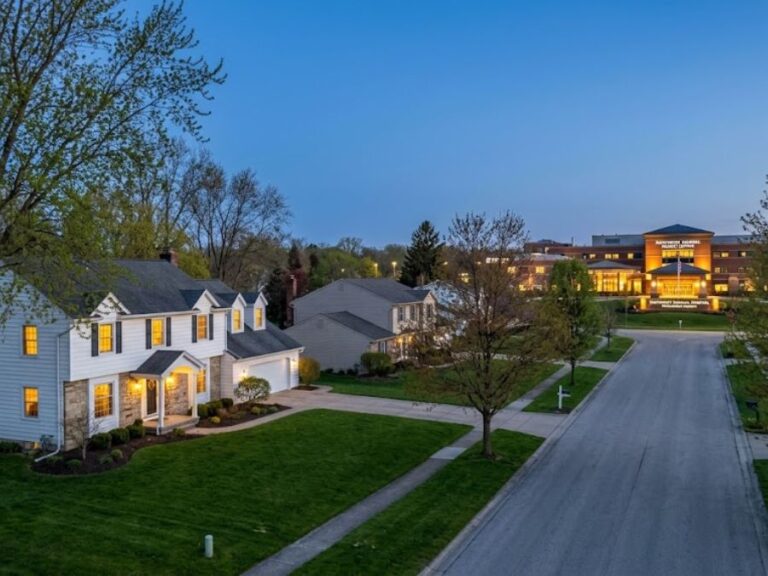
For homeowners and investors in Middleburg Heights, the idea of listing a property on Airbnb or another short-term rental platform can feel like a natural extension of the area’s location. With Cleveland Hopkins International Airport just minutes away and Southwest General Health Center drawing a steady flow of visitors, the city sits in a position that makes short-term stays both practical and appealing.
At the same time, Middleburg Heights is not a market where short-term rentals operate without structure. Like many suburban communities in Northeast Ohio, the city has taken a measured approach—one that allows flexibility, but only within a clearly defined framework of zoning, registration, and ongoing oversight. For anyone considering this type of rental, understanding those details is essential before listing a property.
Are Short-Term Rentals Allowed in Middleburg Heights?
Short-term rentals in Middleburg Heights are not governed by a single, standalone Airbnb ordinance. Instead, they fall under a combination of zoning rules, housing regulations, and rental property requirements that apply across the city. This creates what many property owners experience as a “conditional allowance,” where operating a short-term rental is possible, but only if the property complies with all applicable local standards.
In practical terms, this means that listing a home for transient stays does not automatically qualify as a permitted residential use. Depending on how the property is used, it may be interpreted as a commercial or lodging activity, which can trigger additional scrutiny. For owners, this makes it critical to approach short-term rentals not as a casual listing opportunity, but as a regulated use that must align with city expectations.
The Key Requirement: Rental Registration Under Section 1373
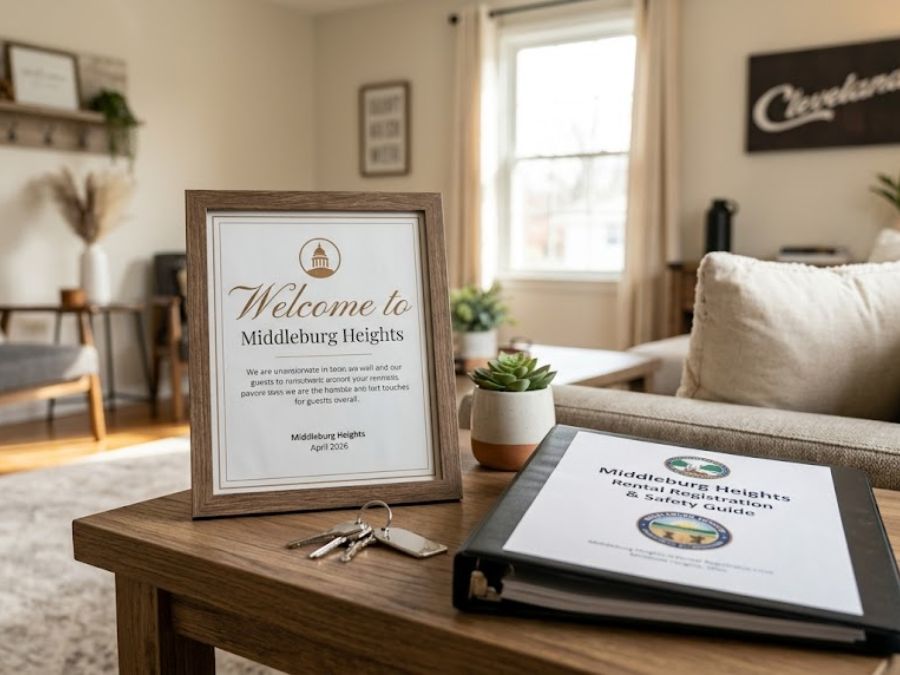
One of the most important—and often overlooked—rules in Middleburg Heights is the city’s rental registration requirement. Under Codified Ordinance Section 1373, all rental properties, including single-family homes, must be registered with the city’s Building Department and inspected on a biennial basis.
This applies regardless of whether the property is used for long-term tenants or short-term guests. For Airbnb hosts, it creates a clear compliance step that must be completed before operating legally. The registration process includes a fee, typically around $150, and requires the property to pass a building inspection focused on safety, habitability, and code compliance.
Failure to register a rental property can result in a Notice of Violation, which can quickly escalate into fines or enforcement action. For owners entering the short-term rental space, this requirement is not optional—it is foundational.
The 2026 Inspection Cycle: Timing Matters
In addition to registration, Middleburg Heights operates on a structured inspection schedule tied to property addresses. In 2026, the city is inspecting properties with even-numbered addresses, while odd-numbered properties will fall into the next cycle.
This timing detail matters more than many owners realize. If your property falls into the current inspection year, you will need to ensure that it meets all building and safety requirements before or during operation. Attempting to run a short-term rental without completing this step significantly increases the likelihood of enforcement.
For new hosts, aligning your launch timeline with the city’s inspection schedule is one of the simplest ways to avoid complications.
Zoning, Use, and Neighborhood Impact
Beyond registration, zoning plays a central role in how short-term rentals are treated in Middleburg Heights. Many neighborhoods are designated for single-family residential use, which is traditionally intended for stable, long-term occupancy rather than frequent guest turnover.
When a property is used for short-term stays, it can blur the line between residential and commercial activity. This distinction becomes particularly important if the use begins to impact surrounding properties through increased traffic, noise, or parking demand. In these situations, the city may evaluate whether the rental aligns with zoning expectations.
Homeowners’ associations and deed restrictions can add another layer of oversight. In some communities, these rules are even more restrictive than city regulations, meaning that approval at one level does not guarantee compliance at another.
Taxes: What You Are Responsible For in 2026
Operating a short-term rental also comes with clear tax obligations. In Cuyahoga County, the bed tax is 5.5%, which applies to transient lodging. This is in addition to Ohio’s state sales tax of 5.75%, creating a combined tax burden that must be accounted for in pricing and reporting.
While platforms like Airbnb may collect and remit some taxes automatically, property owners remain responsible for ensuring full compliance. Understanding how these taxes apply—and verifying what is being handled by the platform versus what must be filed independently—is an essential part of operating legally.
These percentages may seem straightforward, but they have a direct impact on profitability and pricing strategy, particularly in a competitive short-term rental market.
The “Home Rule” Factor: Why Local Control Matters
Middleburg Heights has made its position on short-term rentals clear through its support of local regulatory authority. In Resolution 2022-62, the City Council formally opposed state-level efforts that would have limited municipal control over Airbnb-style rentals.
This “Home Rule” stance reinforces the city’s intent to maintain oversight at the local level. Rather than adopting a hands-off approach, Middleburg Heights has chosen to retain the ability to regulate rentals in a way that reflects community priorities.
For property owners, this means that local rules are not only enforceable—they are actively defended. Understanding and respecting those rules is key to long-term success.
A Practical Checklist Before Listing
Before listing a property as a short-term rental in Middleburg Heights, taking a structured approach can prevent costly mistakes. Start by confirming that the property complies with zoning expectations and reviewing any HOA or deed restrictions that may apply. Register the property under Section 1373, pay the required fee, and ensure it passes inspection.
From there, verify how lodging taxes will be handled, including both the 5.5% county bed tax and the 5.75% state sales tax. Finally, think through how the property will function day to day, including guest turnover, parking, and communication with neighbors. These operational details often determine whether a rental remains sustainable over time.
Pro Tip: The 2026 Inspection Rule
Middleburg Heights requires all rental properties to be registered and inspected. If your house number ends in an even digit, 2026 is your inspection year. Checking with the Division of Building before listing your property can help you avoid delays, violations, or unexpected interruptions once guests begin arriving.
Looking at the Bigger Picture
Short-term rentals in Middleburg Heights are not prohibited, but they are clearly structured. The combination of registration requirements, zoning considerations, and local oversight creates a system where success depends on preparation and compliance rather than speed.
For some property owners, this framework provides a stable way to generate income while maintaining alignment with community standards. For others, it introduces a level of complexity that requires careful planning.
Finding the Right Approach
For those willing to approach the process thoughtfully, short-term rentals can still be a viable opportunity in Middleburg Heights. The key is to understand the rules in detail, stay aligned with local expectations, and operate in a way that respects both the property and the surrounding neighborhood.
In a city that values structure and consistency, those who take the time to get it right are far more likely to build a rental that works—not just for guests, but for the long term.