How Do I Get My Medical Debt Forgiven Under the New 2026 Akron Program?
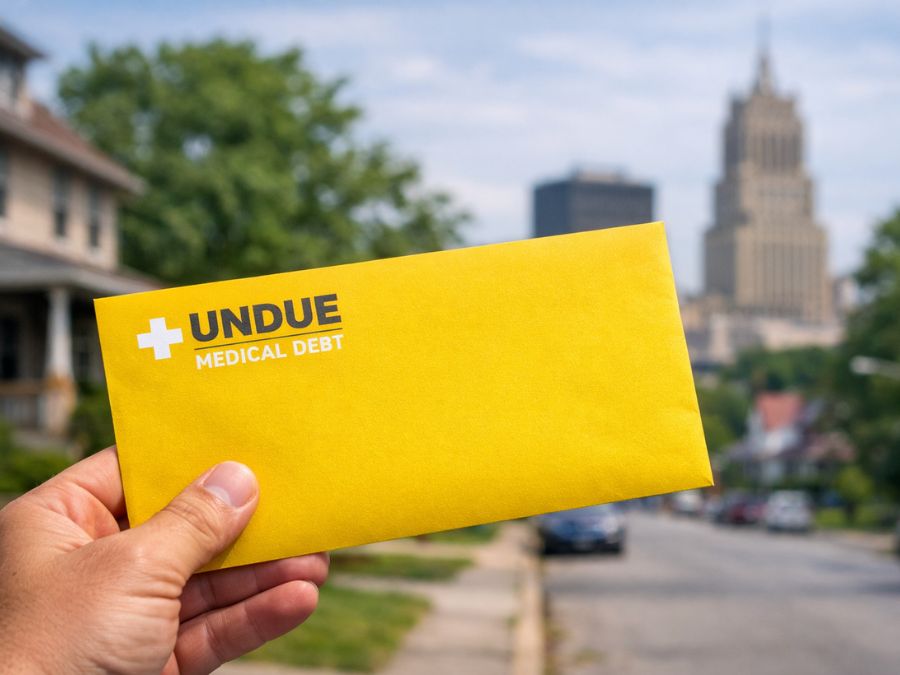
If you are hoping to get medical debt forgiven through Akron’s new 2026 program, the first thing to understand is also the most important: this is not a traditional application-based program. Instead of submitting forms or applying through a portal, Akron’s initiative works behind the scenes by purchasing qualifying medical debt in bulk and then canceling it. That means your role is less about applying and more about understanding whether your situation fits the program and knowing what to watch for.
Once you understand how the system works, the process becomes much clearer. Here is a step-by-step breakdown of what you need to know.
Step 1: Confirm That You Live in Akron
The program is specifically designed for Akron residents, so residency is the first requirement. If your address is within Akron city limits and tied to the medical debt in question, you are within the geographic scope of the program. If not, this particular initiative would not apply, even if your debt meets other criteria.
Step 2: Check Whether You Meet the Income or Debt Threshold
Eligibility is based on one of two financial benchmarks. You may qualify if your household income is at or below 400 percent of the federal poverty level, or if your medical debt equals at least 5 percent of your annual income. You do not need to meet both conditions—meeting either one may make your debt eligible for consideration.
For many households, the income threshold is higher than expected, which means a broader group of residents may qualify than they initially assume.
Step 3: Understand That There Is No Application
This is the step that often causes the most confusion. You cannot apply for Akron’s medical debt forgiveness program. There is no form to submit, no waiting list to join, and no way to request inclusion directly.
Instead, the nonprofit partner working with the city identifies eligible debts from portfolios provided by hospitals and collection agencies. If your debt is part of one of those portfolios and meets the criteria, it may be selected and canceled automatically.
Step 4: Make Sure Your Debt Is Medical in Nature
The program only applies to medical debt. This includes bills from hospitals, healthcare providers, or collection agencies pursuing medical balances. It does not apply to credit cards, personal loans, or other non-medical obligations.
If you are unsure whether a debt qualifies, look at the original source of the bill. If it came from medical care or treatment, it is likely within the scope of the program.
Step 5: Recognize That Availability of the Debt Matters
Even if you meet all eligibility criteria, there is another factor that determines whether your debt will be forgiven: whether it is available to be purchased.
The program works by acquiring debt from providers and collectors. If your specific account is not included in a portfolio that becomes available, it cannot be selected. This is why some eligible residents may not see immediate relief, even though they qualify on paper.
Step 6: Watch Your Mail for Official Notification
If your medical debt is selected and canceled, you will be notified by mail. The letter will come from the organization handling the debt relief and will confirm that your balance has been forgiven.
This is not something you need to request—it arrives after the process is complete. Because of that, it is important to review your mail carefully, especially anything related to medical billing or debt relief.
Step 7: Avoid Services That Charge Fees to “Get You In”
Because there is no application process, there is also no legitimate way for a third party to “submit” you into the program. If a company or individual claims they can guarantee your inclusion for a fee, that is a red flag.
The selection process is based entirely on eligibility and whether the debt is part of an available portfolio. No outside service can influence that.
Step 8: Organize Your Medical Debt Records
Even though you cannot apply, it is still helpful to gather your documents. Keeping track of medical bills, collection notices, and account details allows you to quickly verify whether a forgiven debt matches your records.
Having this information organized also helps you respond if there are any discrepancies after the debt is canceled.
Step 9: Verify That the Debt Has Been Fully Cleared
If you receive notification that your debt has been forgiven, take the time to confirm that the account has been updated properly. This includes checking with the provider or collection agency to ensure the balance reflects the cancellation.
The goal of the program is full debt elimination, not partial relief or temporary suspension, so your records should show a complete resolution.
Step 10: Understand Why You May Not Be Selected Right Away
If your debt is not forgiven, it does not necessarily mean you are ineligible. It may simply mean your account was not included in a portfolio that has been purchased yet.
These programs often operate in phases, depending on what debt becomes available through participating providers. That means additional rounds of relief may occur over time.
The 2026 Akron Program in Context
Akron’s 2026 initiative has already eliminated millions of dollars in medical debt for thousands of residents. The program works by purchasing debt for a fraction of its face value and then canceling it entirely, allowing households to move forward without that financial burden.
This approach reflects a broader shift in how cities are addressing medical debt, focusing on large-scale relief rather than individual applications.
The Simple Bottom Line
If you are trying to access Akron’s 2026 medical debt forgiveness program, the most important thing to understand is that you cannot apply for it directly. Your best course of action is to confirm that you meet the eligibility criteria, ensure your debt qualifies as medical debt, and stay alert for official communication.
From there, the process happens behind the scenes. Whether your debt is forgiven depends on both your eligibility and whether your account becomes part of a portfolio that can be acquired and canceled.